




As someone who – touch wood – hasn’t had cause to make a visit to A&E in life so far, my conception of a visit tends to be fairly doom and gloom.
Hideous wait times, corridors filled with trollies – you know the drill.
Indeed, it is an experience which many up and down the country encounter when they use their local emergency department.
And alongside arguments of underfunding and the pressures of an ageing and rising population, we’re also told that too many of us are misusing A&E. In 2024/25, 289,678 paid a visit to A&E complaining of a sore throat, 435,728 with a cough and 17,196 with nasal congestion.
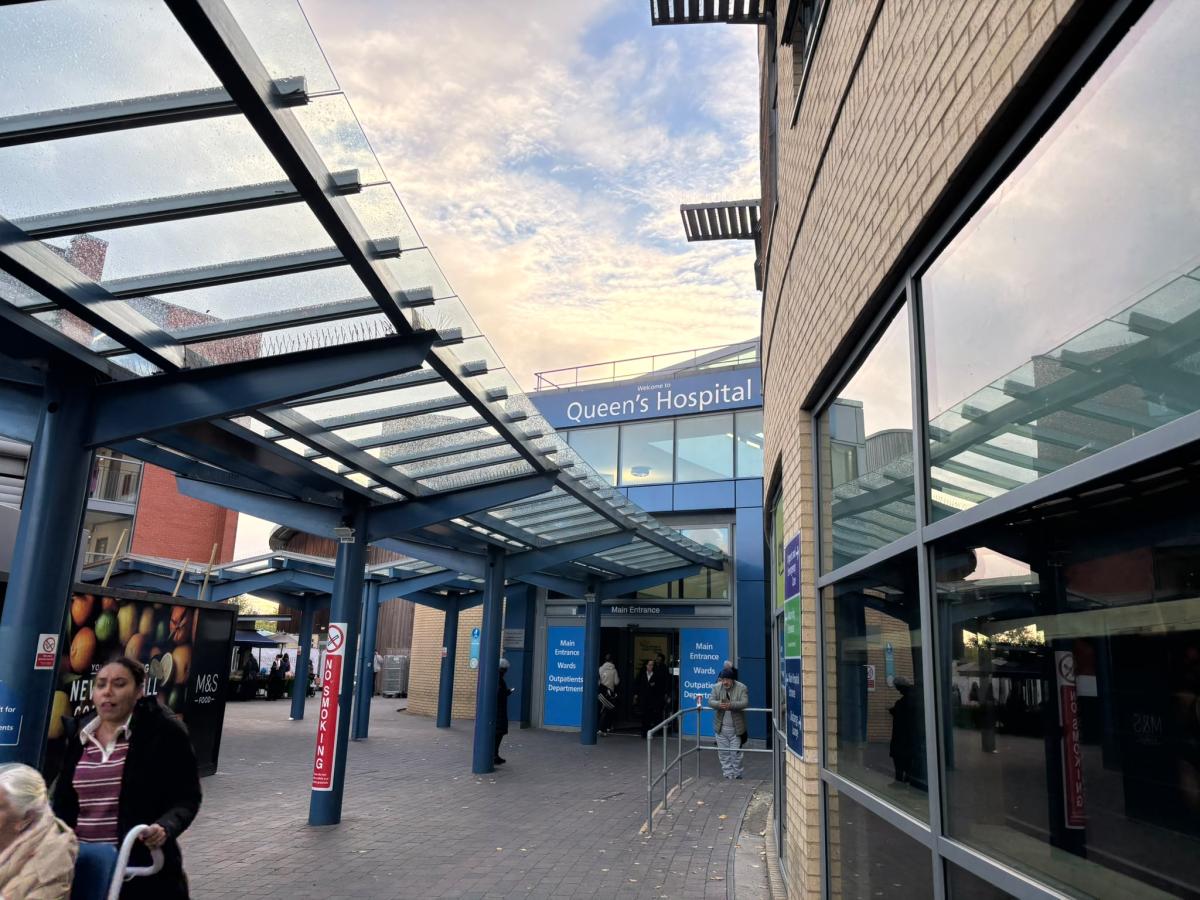
Queen’s Hospital in Romford and King George in Goodmayes are two of four east London hospitals which have benefited from a slightly different model for many years now.
It’s a model which has significantly reduced waiting times and eased pressure on the hospitals' A&E departments.

PELC (which stands for the Partnership of East London Co-operatives) is a not-for profit social enterprise, commissioned by the NHS to deliver urgent care services for walk-in patients across north east London.
It runs four urgent treatment centres (UTCs) – at King George Hospital, Barking Community Hospital, Queen’s Hospital and Harold Wood Polyclinic.
By acting as the 24/7 A&E “front door” at two of these NHS hospitals (King George and Queen’s), its urgent care teams assess each patient quickly to ensure they get the right care, in the right place, first time - whether that’s in a UTC, a hospital or the community.
As one of only a handful of not-for-profit healthcare providers commissioned to deliver NHS services in this way, PELC has supported its partner hospitals to transform emergency and urgent care by alleviating the pressure on A&E departments and helping to reduce waiting times.
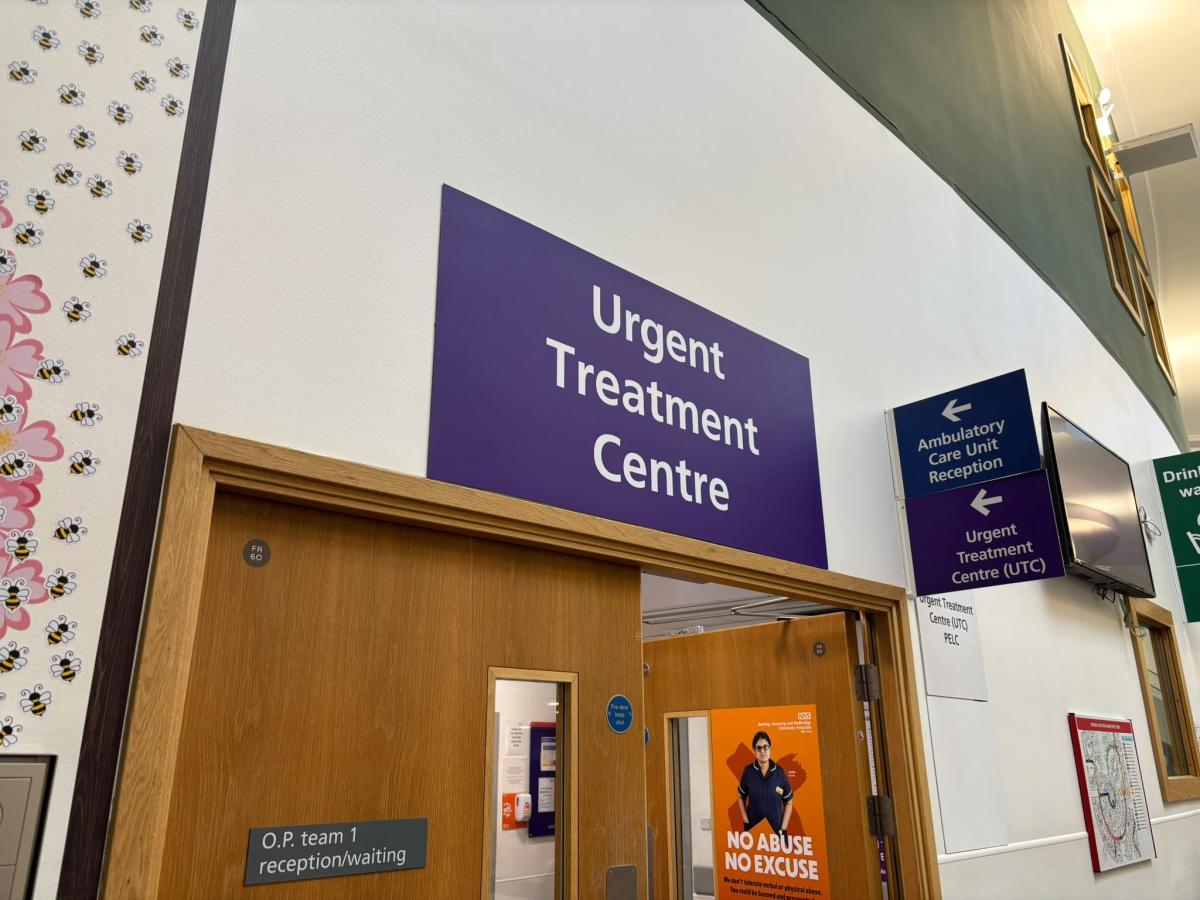
I was invited to PELC’S UTC at Queen’s where I was guided through the journey patients take when they arrive.
Everyone who visits the emergency department at Queen’s – unless they have arrived in an ambulance – is first seen at PELC’s UTC.

The UTC has a clinician team consisting of hospital doctors, GPs, nurses, clinical practitioners and non-clinical professionals, who treat urgent cases ranging from sprained ankles and broken bones to chest pains and head injuries.
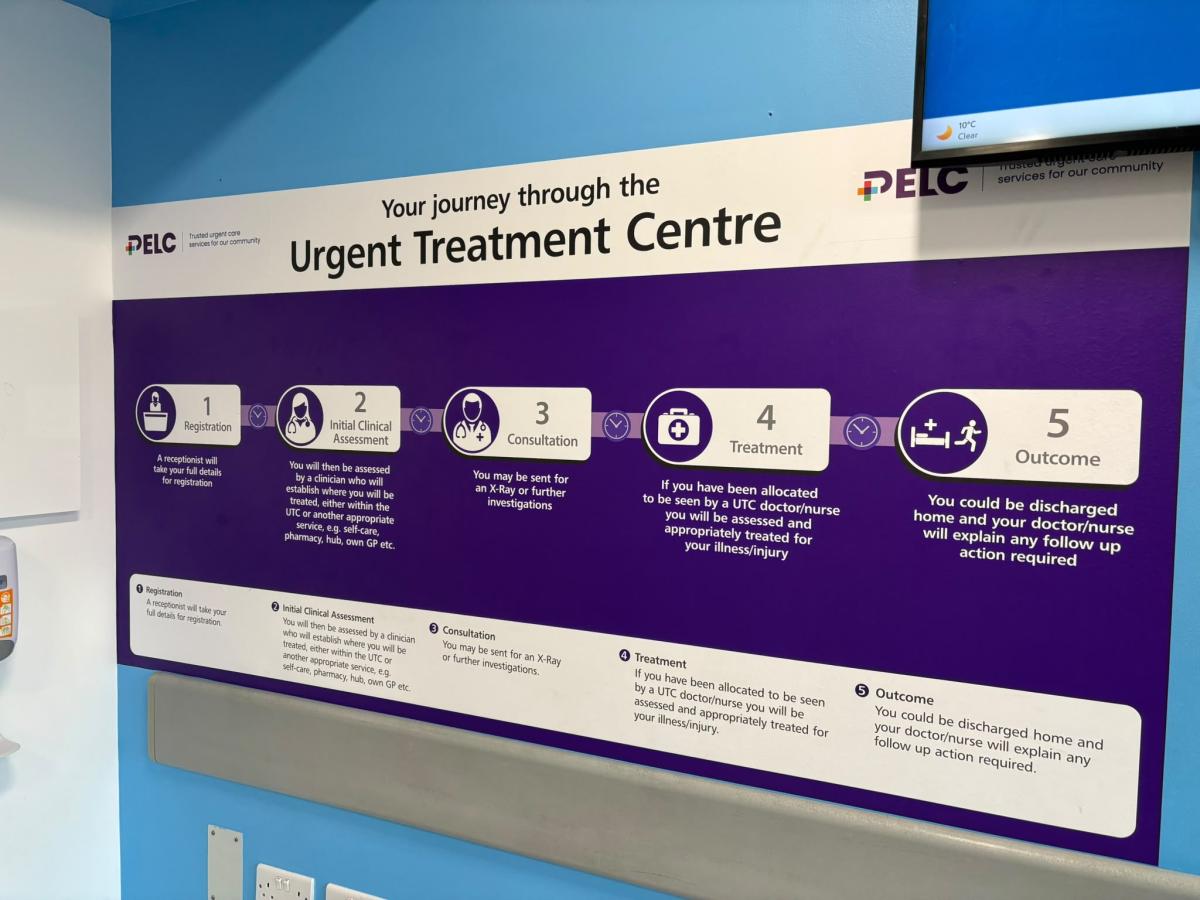
At reception there is a board clearly showing patients their journey through the UTC.
When people arrive, staff carry out an initial assessment and a clinician decides where they need to go.
If your problem can be treated by the UTC, you'll stay there; if you need emergency care, you'll be referred into the hospital's emergency department and if another service is more appropriate, you may be directed elsewhere.
If your issue can be resolved with a trip to the pharmacy or self-care, you will also be directed by clinicians.
The statistics are impressive: 99 per cent of walk-in patients receive an initial clinical assessment from PELC within 15 minutes.

The UTC deals with urgent but non-life-threatening issues. Examples can include minor injuries, infections, suspected fractures, cuts, burns, or illnesses needing same-day treatment but not full emergency care.
Someone arriving with symptoms of a stroke, heart attack, severe breathing difficulties or major trauma would usually be escalated rapidly into emergency care rather than sitting in the UTC waiting room.
PELC’s UTCs treat seven in 10 of all A&E walk-in patients at Queen’s and King George hospitals - many of whom would otherwise end up unnecessarily joining emergency department queues.
There are 800 patients, on average, treated every day across PELC’s four urgent treatment centres (UTCs).
I have to say, I was impressed.
The system was slick and the rationale behind the model just made absolute sense.
That’s not to say Queen’s doesn’t have its problems like every hospital – there are still plenty of people waiting in the A&E – but it’s no wonder Wes Streeting said it was a great model which he would like to see replicated across the country following a visit to King George UTC in January 2025.
I know I would too.


Share